THROUGH THE RELAUNCH OF SAN TELMO AND THE CELEBRATION OF THE 400TH ANNIVERSARY OF PATO, ARGENTINA ONCE AGAIN REVIVES ITS BELLE ÉPOQUE.
THE RELAUNCH OF SAN TELMO’S HISTORIC QUARTER, ALONGSIDE THE CELEBRATION OF THE 400TH ANNIVERSARY OF PATO AND THE VISIT OF EUROPEAN NOBILITY, MARKED A DEFINING CULTURAL MOMENT FOR BUENOS AIRES. THROUGH A CAREFULLY CURATED CIRCUIT OF ART, HISTORY, HERITAGE, AND GASTRONOMY, THE CITY REAFFIRMED ITS PLACE ON THE INTERNATIONAL CULTURAL MAP. BRINGING TOGETHER NATIONAL TRADITION, EUROPEAN LEGACY, AND CONTEMPORARY IDENTITY, THE EVENT SYMBOLICALLY SIGNALED THE EMERGENCE OF A NEW ARGENTINE GOLDEN AGE ROOTED IN HISTORY AND PROJECTED TOWARD THE FUTURE.
The relaunch of San Telmo’s Historic Quarter—highlighting the painting believed to have inspired Frida Kahlo’s self-portraits and the house where Louis XVII is said to have lived after escaping the guillotine—together with the celebration of the 400th anniversary of Pato and the visit of European nobility, marked the symbolic beginning of a new Argentine Golden Age. Buenos Aires reasserted its place on the international cultural map through a landmark celebration where art, history, aristocratic legacy, gastronomy, and national identity came together. A series of emblematic milestones converged in a single narrative that, read as a whole, points toward a renewed era of cultural prominence for Argentina. At a national level, the commemoration of the 400th anniversary of Pato, Argentina’s national sport, stood as one of the central pillars of the celebration. Deeply rooted in horsemanship, honor, and rural tradition, Pato represents both the aristocratic and popular foundations of Argentine identity, forging a bridge between heritage and modernity.
400 YEARS OF PATO
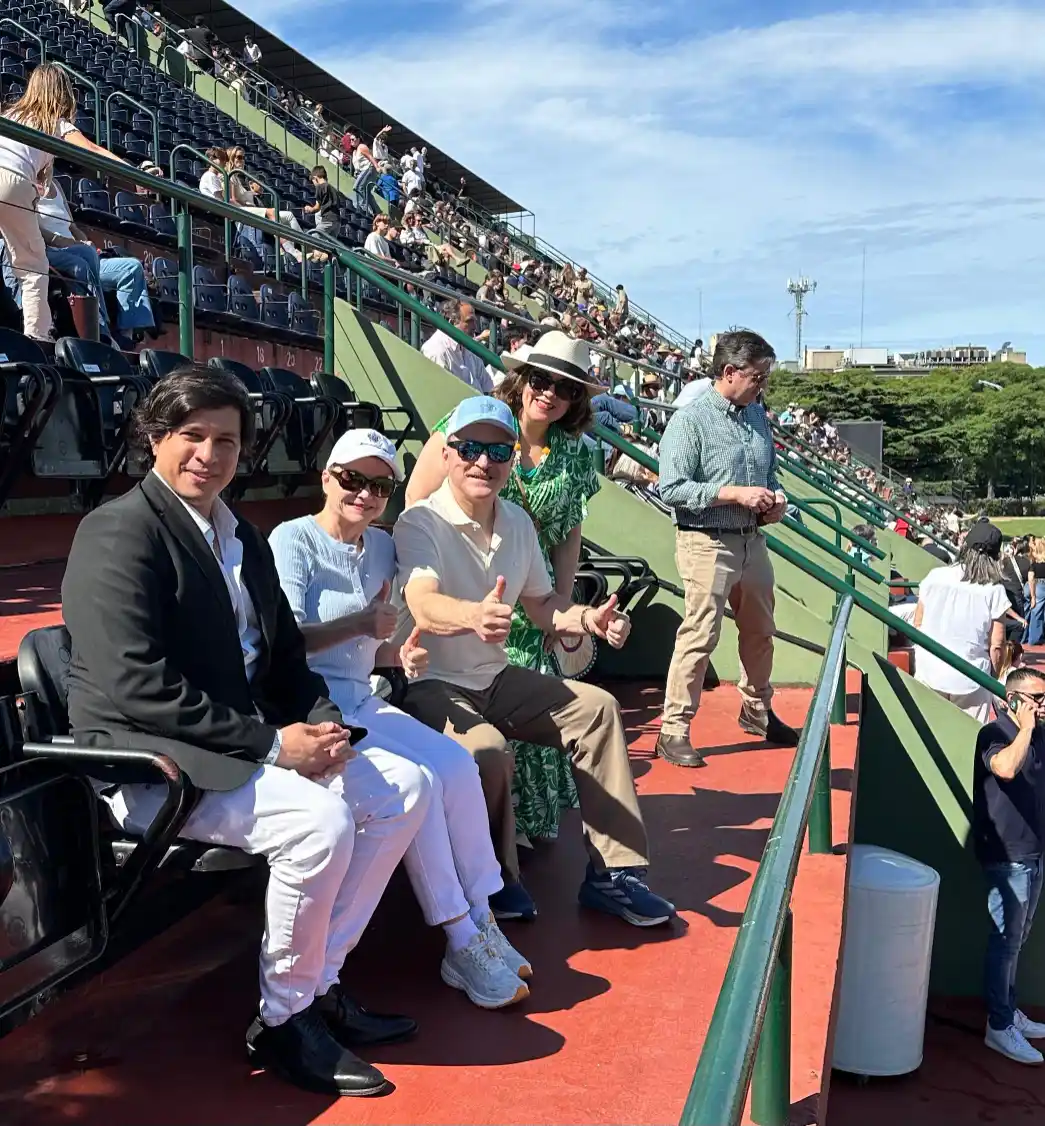
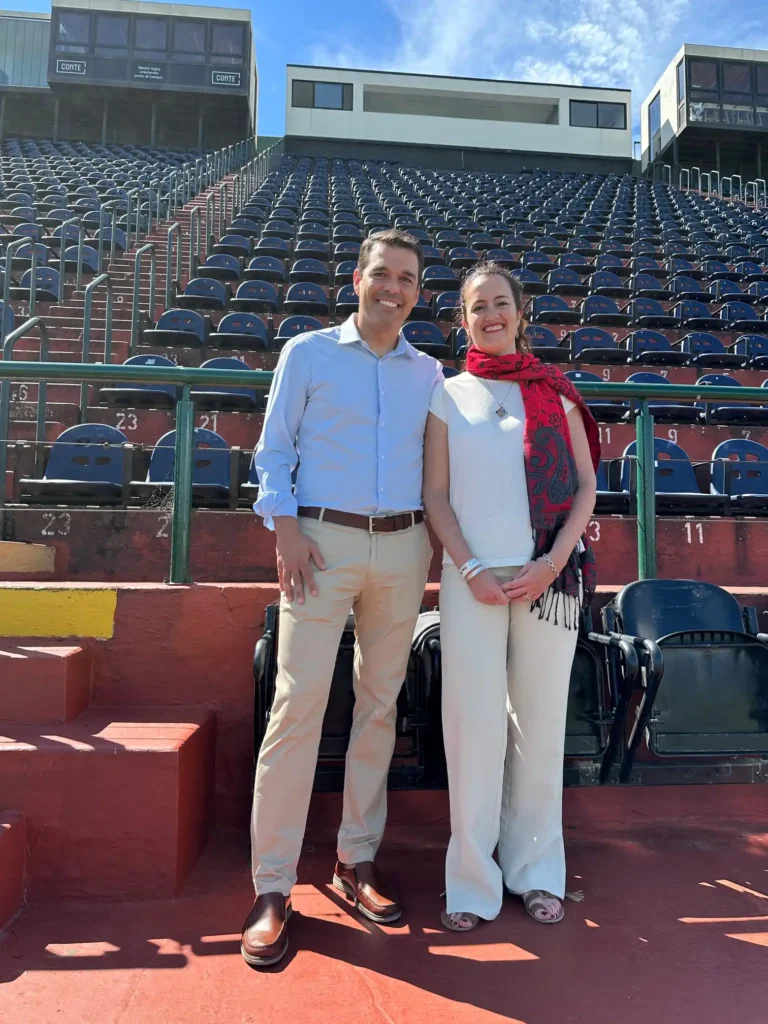
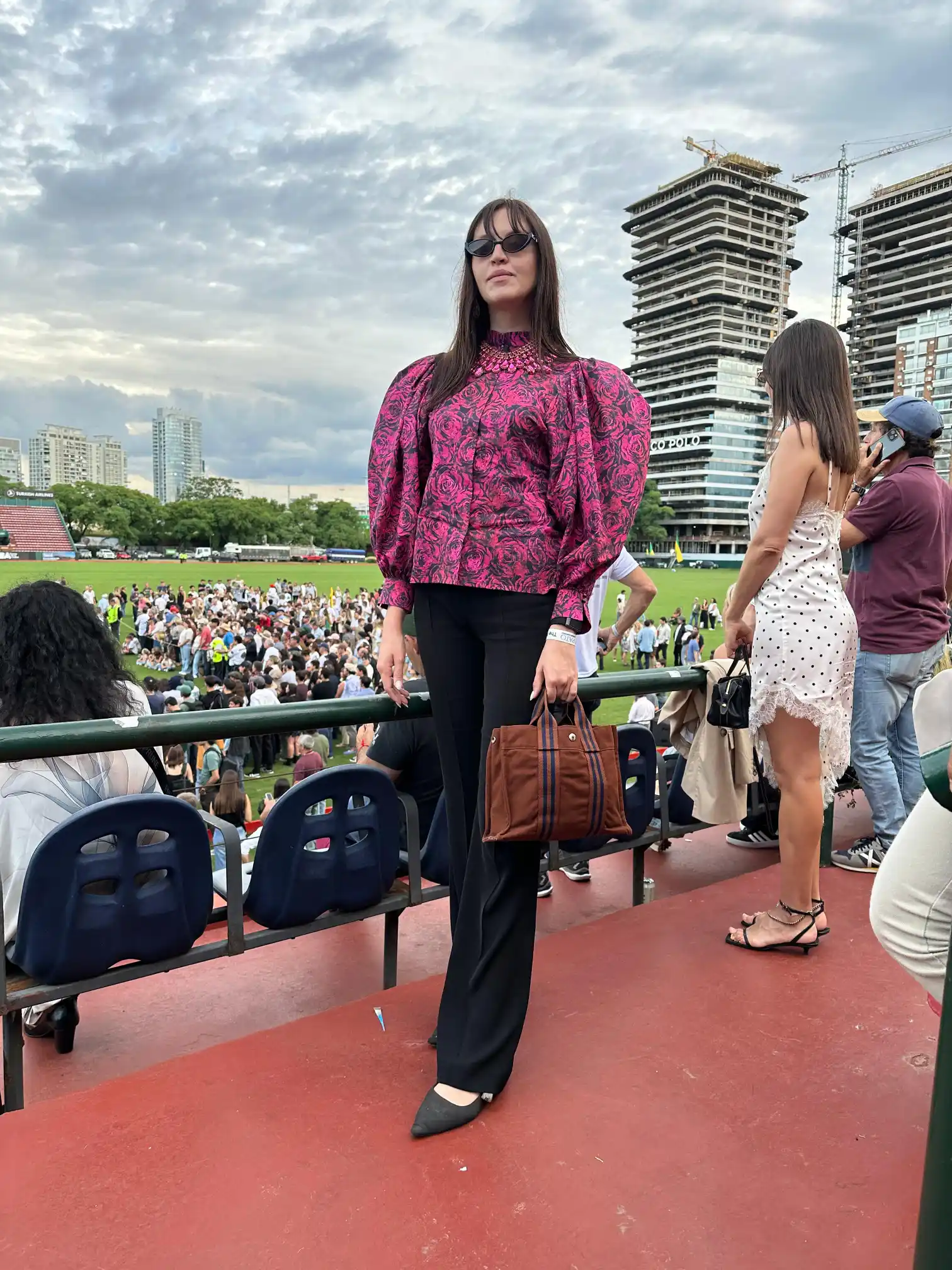
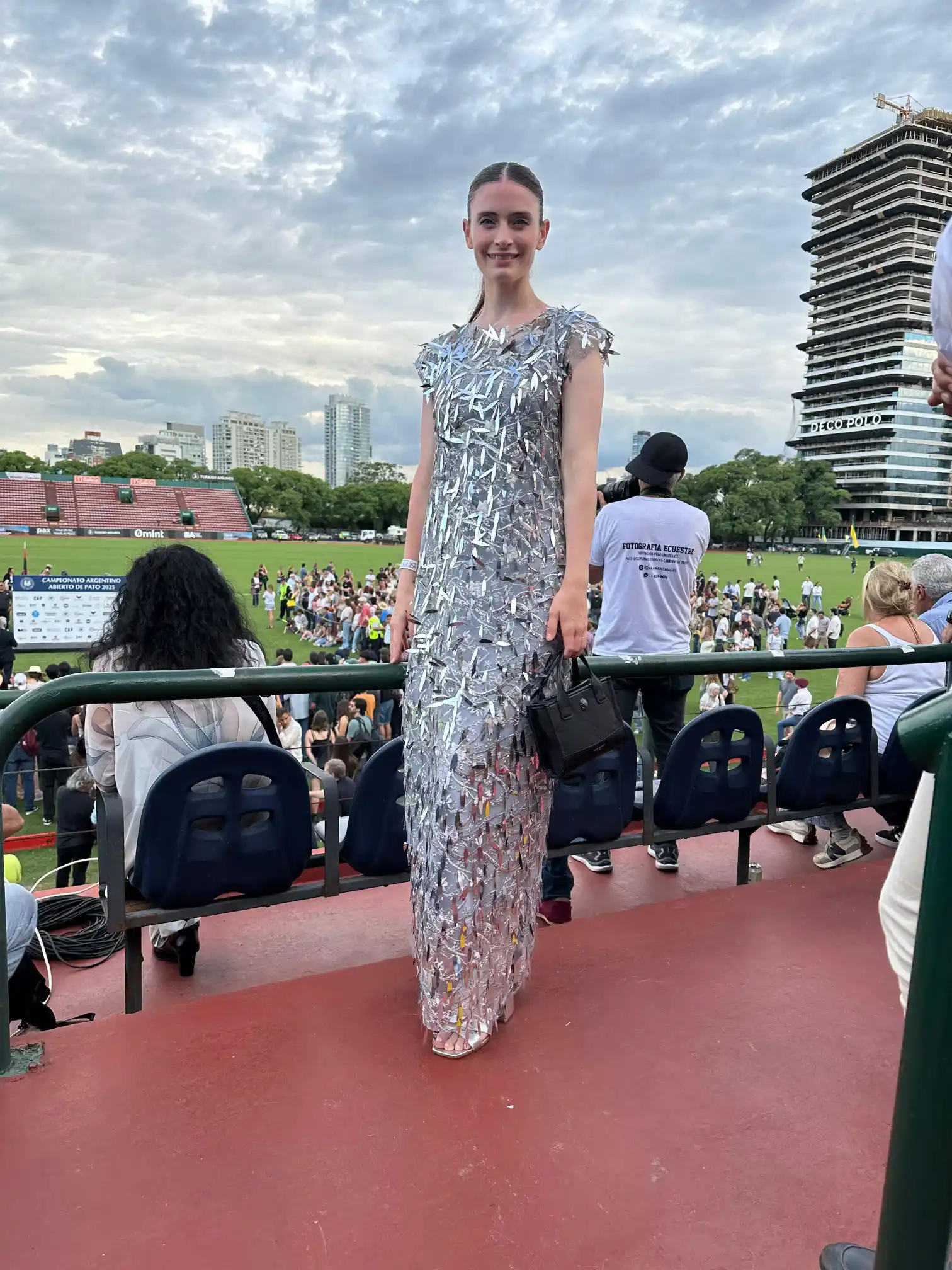
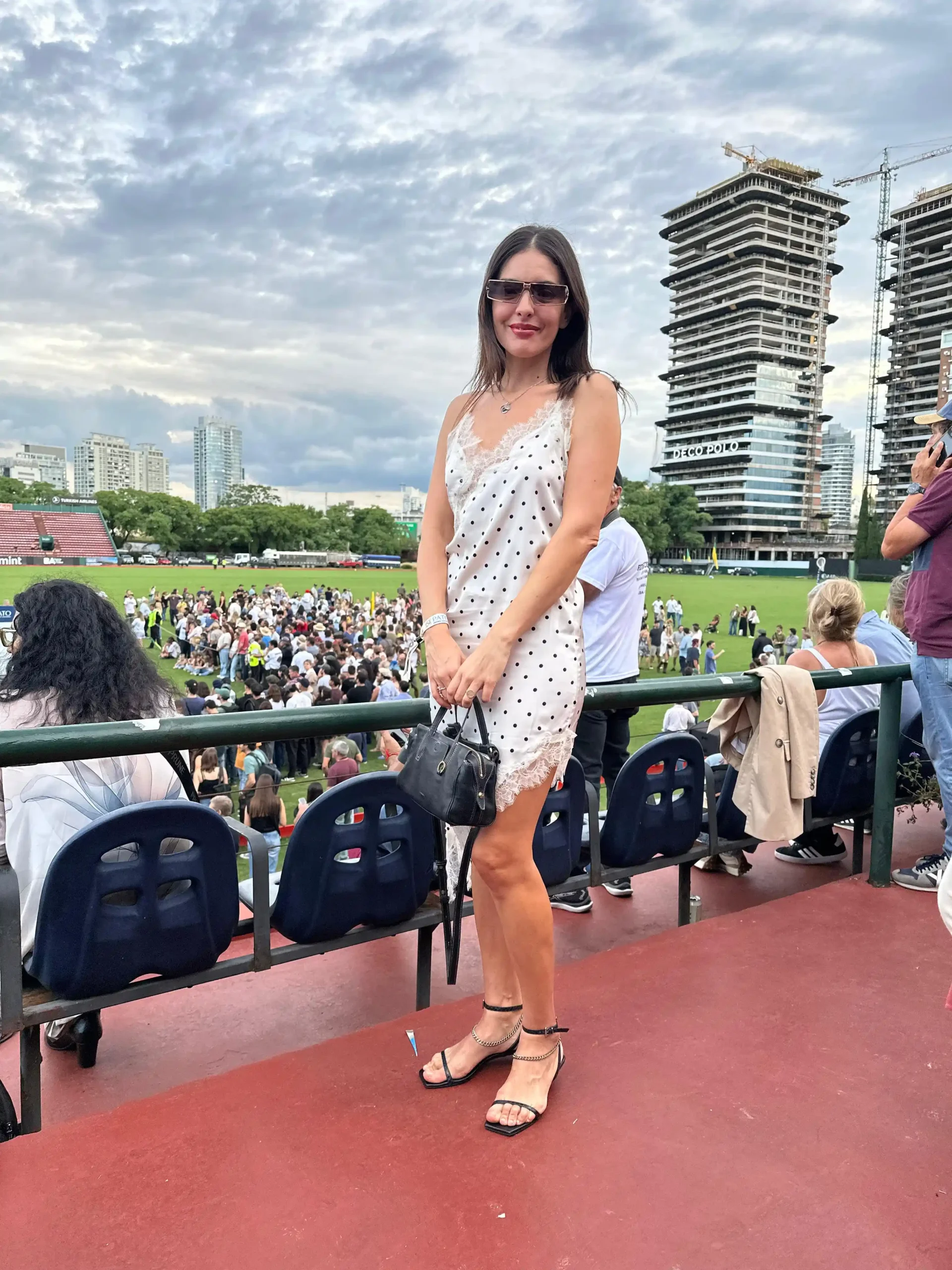
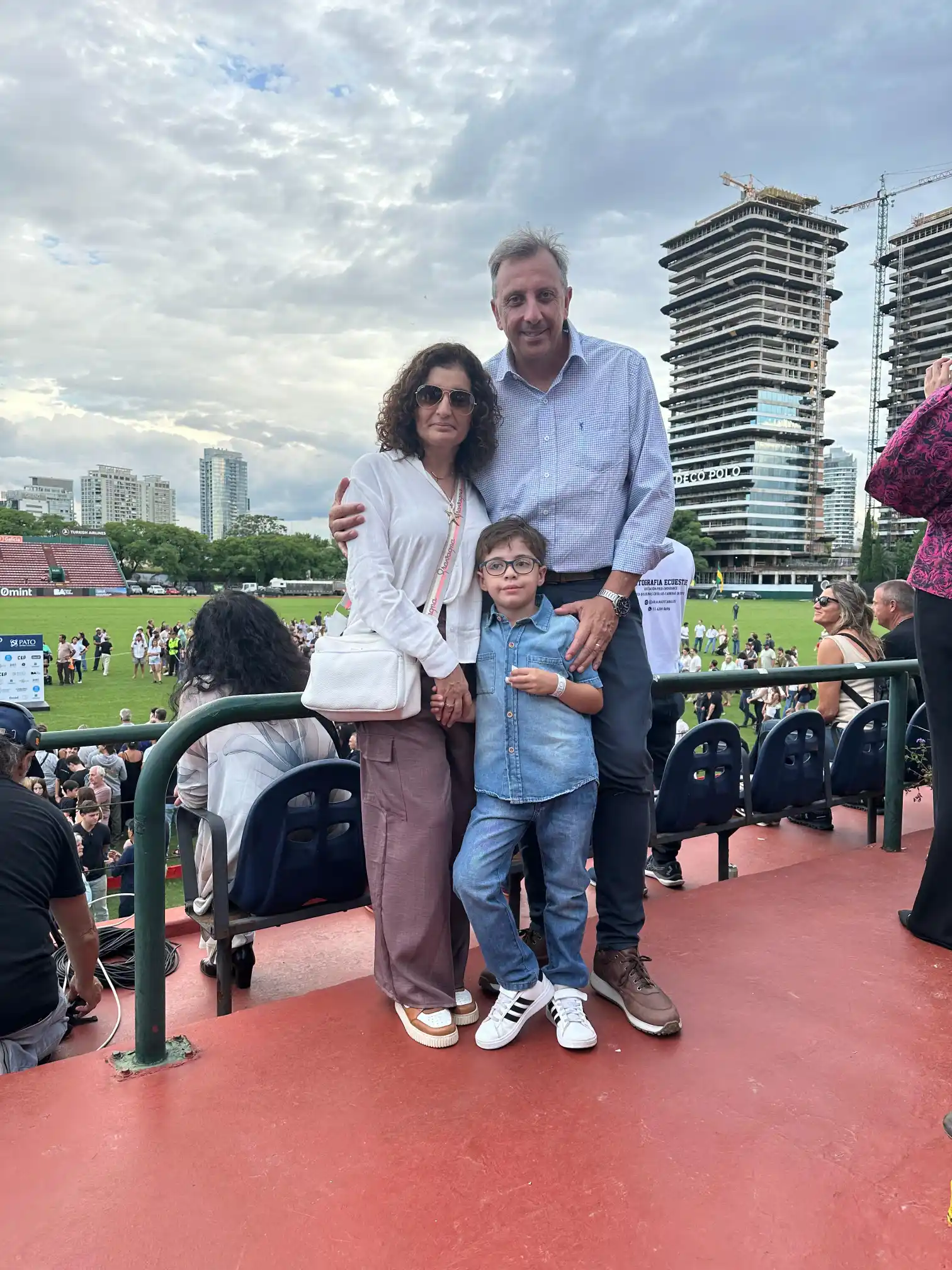
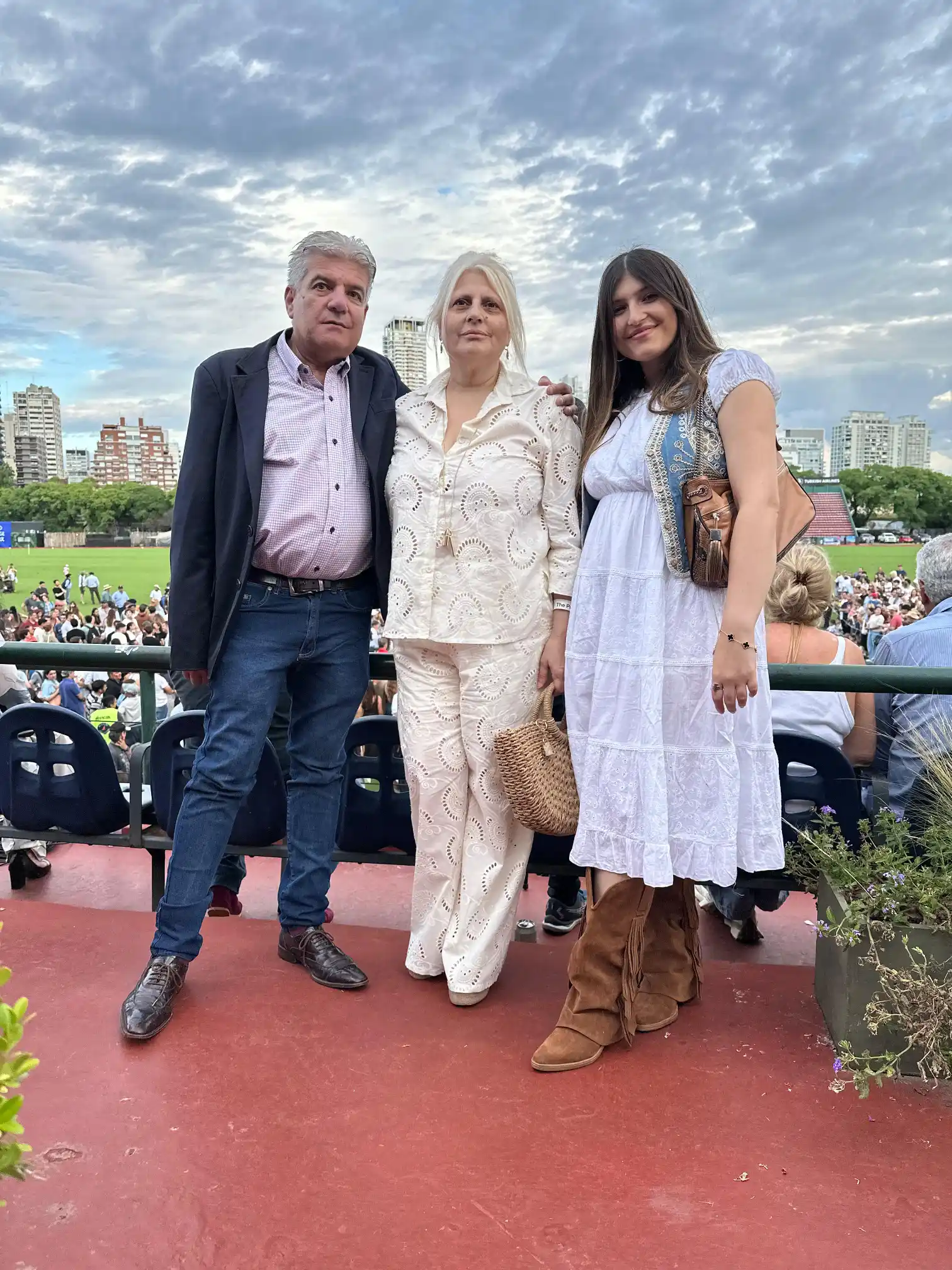
The official final of Argentina’s national sport took place in an extraordinary setting. El Siasgo emerged as the grand winner of this historic edition.
The event gathered leading figures from the diplomatic, institutional, entrepreneurial, and cultural spheres, including U.S. Ambassador Peter Lamelas, Nicolás Pino, Jorge Gold, Andrés Prieto Fasano, Éléonore de la Rochefoucauld, Damián Gravagna, Sophie Alurralde, Marcos Ottogalli, Guillermo Moccero, Mariana Lagomarsino and Dexter Love, among others.
Following the final match, guests were invited to an exclusive cocktail reception featuring a tasting of Huentala wine, recognized as Argentina’s Best Wine, bringing the sporting celebration to a close in an atmosphere of refinement and tradition. Parallel to this national milestone, Buenos Aires welcomed the visit of European nobility, reviving the spirit of historic cultural exchanges that once positioned Argentina as a natural bridge between Europe and the Americas. Their presence added an international and symbolic layer to the event, reinforcing Argentina’s renewed cultural visibility on the global stage.
RELAUNCH OF SAN TELMO’S HISTORIC QUARTER
San Telmo District @santelmodistrict District of Antiques, History, and Gastronomy Organized by THE PRESIDENTS, founded and directed by Sergio Morinigo.
San Telmo, one of Buenos Aires’ oldest and most iconic neighborhoods, became the stage for the relaunch of its historic, artistic, and gastronomic circuit—an initiative designed to revalue its heritage and strengthen its identity as an internationally projected cultural district.
This edition unfolded under the symbolic theme “The Argentine Grand Pavilion at the 1889 Paris Universal Exposition,” revisiting the vision through which President Julio A. Roca once introduced Argentina to the world as a nation defined by culture, progress, and elegance.
Within this framework, The Presidents, under the direction of Sergio Morinigo, curated a special itinerary for international press and business leaders, structured across three stations connecting history, art, architecture, and gastronomy.
STATION 1 — SAN TELMO LOUIS XVII
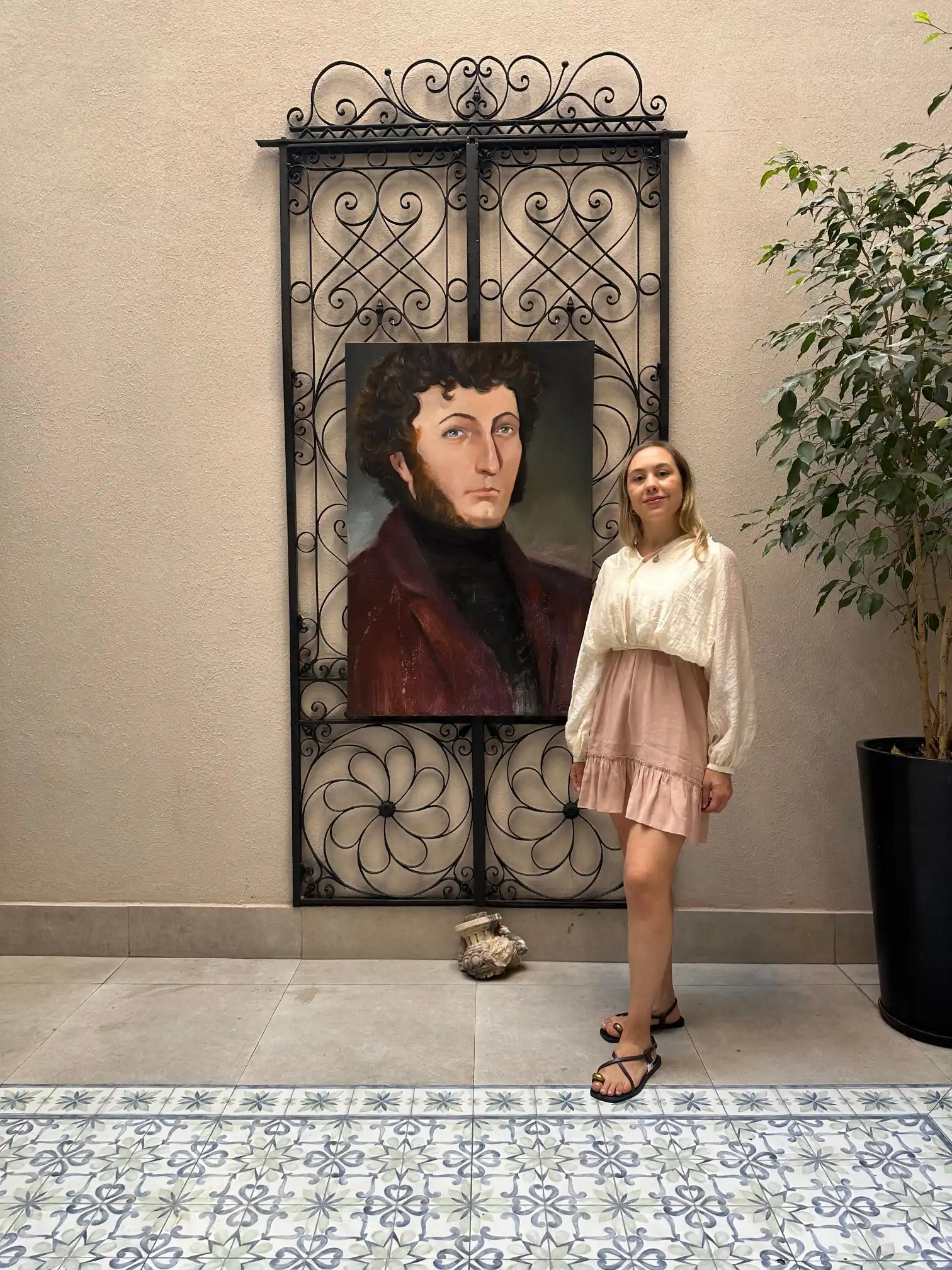
The journey began at the corner of Bolívar and Independencia, a site where—according to local tradition—Louis XVII, son of Louis XVI and Marie Antoinette, is believed to have lived after escaping the fate of the guillotine that claimed his parents. At this historically resonant location, hosted by Lado Bueno, painter Lionel Pacheco presented two previously unseen oil paintings, officially inaugurating the circuit at the station titled “San Telmo Louis XVII.” The inclusion of this house within the relaunch narrative added a profound layer of European historical memory, reinforcing San Telmo as a place of exile, refuge, and cultural continuity.
STATION 2 — SAN TELMO ANTIQUES DISTRICT
The circuit continued by bus along BolÌvar and Defensa Streets, crossing the heart of San Telmo ís historic antiques corridor, with highlighted stops at emblematic venues:
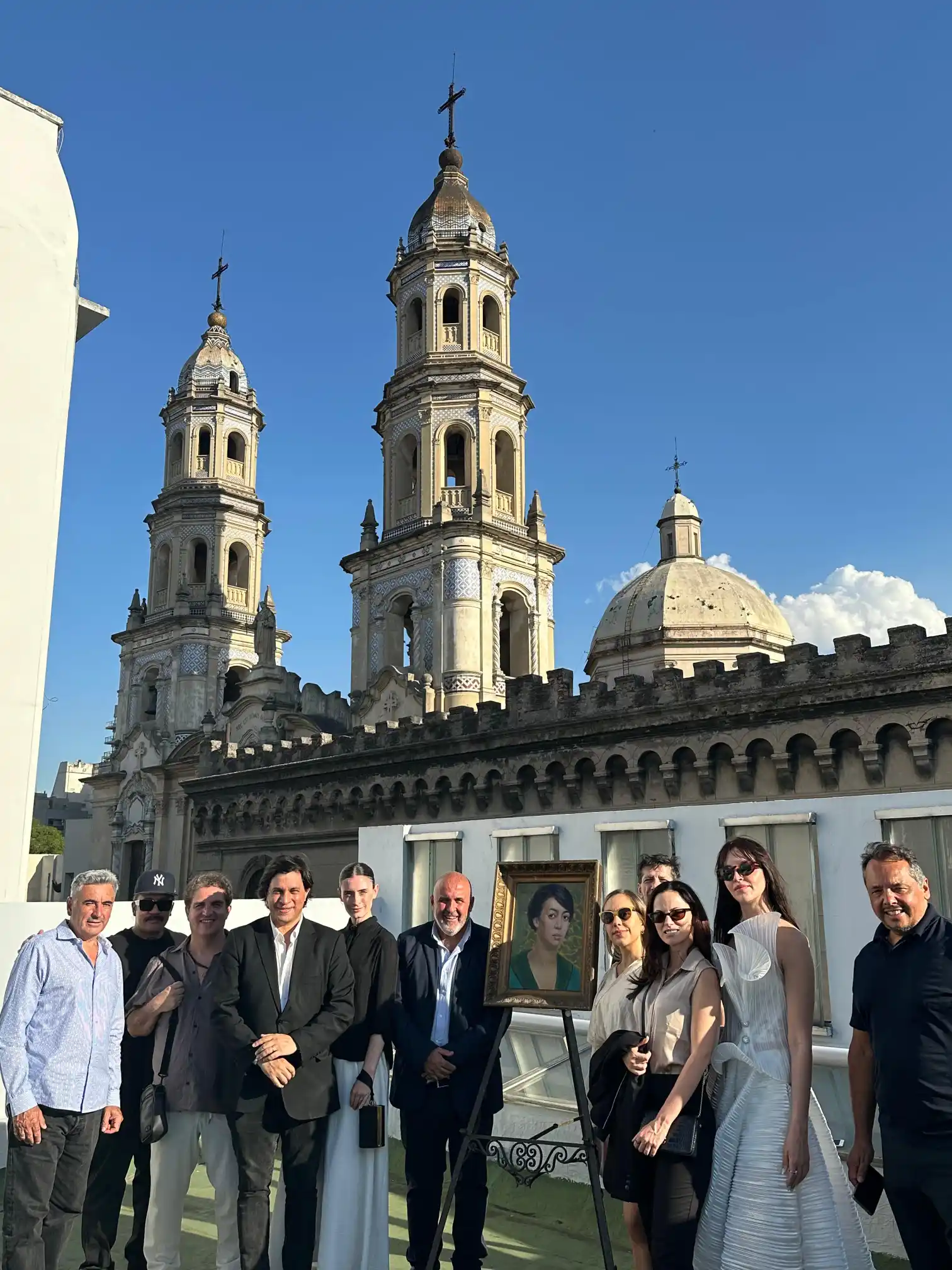
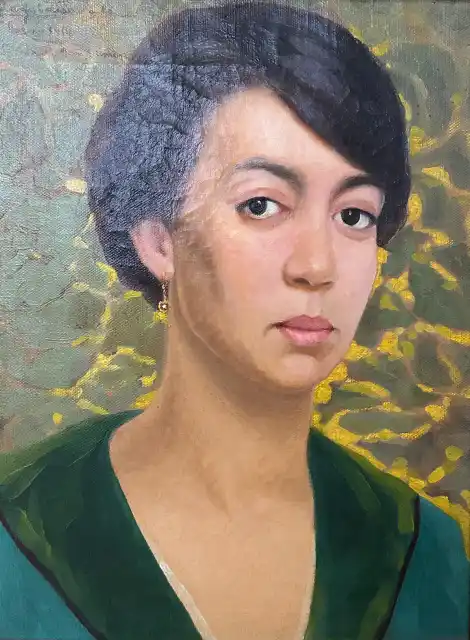
• Guevara Gallery (Art Deco). • Alhambra (National Historical Artifacts). • Rold·n Sculptures (Marble). • Santostefano Sculptures (Bronze). • Hernani Antiques, where an original fragment of the Argentine Grand Pavilion of 1889 was presented, alongside the unveiling of The Argentine Frida Kahlo, a work by Argentine painter César Augusto Caggiano.
The unveiling of this painting symbolically linked to the period preceding Frida Kahlo is self-portraits, functioned as a metaphor for origin, identity, and cultural introspection, mirroring Argentina is present moment of historical reflection.
This station also included:
• A pass by San Pedro Telmo Church. • A visit to the reopening of the historic Café Plaza Dorrego, a cultural landmark of the neighborhood. • A complete drive-through of the Defensa Street antiques corridor, without entering the shops.
STATION 3 — SAN TELMO GASTRONOMIC HUB
The circuit concluded with a celebration of San Telmo’s culinary identity. Guests enjoyed:
• A dry-aged meat tasting at Sagardi. • A closing celebration at the newly opened Bar Babel, one of the neighborhood’s most significant recent openings.
INTERNATIONAL GUESTS
The relaunch welcomed distinguished guests from cities around the world:
• Dubai: Countess Éléonore de la Rochefoucauld. • Paris: Sophie Alurralde. • New York: Dexter Love. • Buenos Aires: Guillermo Moccero VONHARV owner and Mariana Lagomarsino. • Córdoba: Andrés García. • Brazil: Sandra Bronziña.
Their presence underscored the event’s international scope and reinforced San Telmo’s global projection as a cultural district.
A NEW ARGENTINE GOLDEN AGE
Art as origin, sport as the national soul, nobility as a cultural bridge, gastronomy as living heritage, and San Telmo as a historic heart converged into a single narrative. The 400th anniversary of Pato and the relaunch of San Telmo’s historic quarter did more than honor the past—they articulated a vision for the future.
Buenos Aires once again emerges as a city of elegance, cultural authority, and international relevance—clearly signaling the dawn of a new Argentine Golden Age.